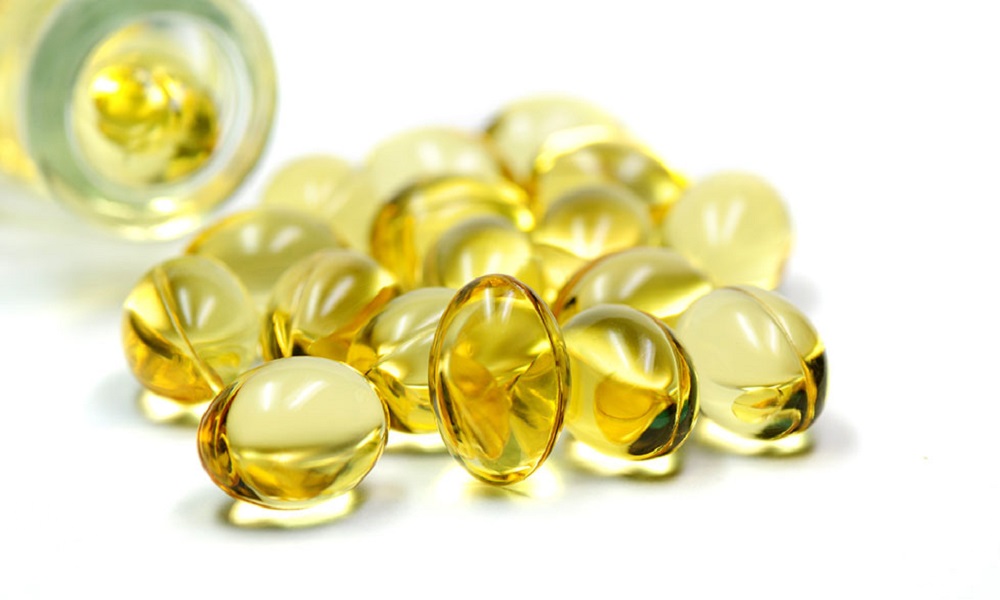
What to look for in a vegan omega-3 supplement
Omega-3 fats support several aspects of general health, including normal brain, eye and cardiovascular function. For people following a vegan or vegetarian eating pattern, an algae-based supplement can provide a direct source of DHA and EPA without relying on fish oil. The best choice depends on the dose, ingredient quality, testing and how consistently you can take it.
Australian shoppers have plenty of options through chemists, health-food shops and online retailers, but labels can vary widely. Use this guide alongside trusted wellness resources such as Diet Value to compare formulations carefully rather than choosing a product based only on its vegan badge or marketing claims.
| Feature | What to look for | Why it matters |
|---|---|---|
| Source | Microalgae oil | Provides marine omega-3 without fish |
| Active fats | Clearly stated DHA and EPA amounts | Shows the useful dose, not just total oil |
| Testing | Independent purity and oxidation testing | Helps verify freshness and quality |
| Capsule | Vegan softgel or liquid algae oil | Avoids gelatin and suits dietary preferences |
| Labelling | Australian ingredient and dosage information | Makes the product easier to assess locally |
| Storage | Light- and heat-resistant packaging | Helps protect delicate oils |
Understand the omega-3 source
Most vegan omega-3 supplements use oil extracted from microalgae. This is significant because algae are the original source of marine DHA and EPA; fish obtain these fats by eating algae. Algal oil therefore offers a direct, plant-based alternative to conventional fish oil.
Some plant foods, including chia seeds, flaxseeds, hemp seeds and walnuts, contain ALA. ALA is valuable, but the body converts only a limited amount into DHA and EPA. If you want a reliable source of the longer-chain fats, look for a supplement that lists DHA, EPA or both separately rather than simply stating “omega-3”.
The balance between DHA and EPA depends on your goal and dietary pattern. Many algae products are primarily DHA-based, while newer formulas include both fats. Compare the actual milligrams per serving, as “1,000 mg algae oil” may provide far less than 1,000 mg of combined DHA and EPA.
Read the label beyond the vegan claim
A credible product should state the quantity of DHA and EPA per capsule or measured dose. It should also list the algae species or oil source where possible, along with serving size, batch information, expiry date and storage instructions. Avoid relying on vague phrases such as “supports wellness” when the active ingredient amounts are difficult to find.
Check the capsule materials carefully. Some products use a vegan softgel made from modified starch or other plant-based materials, while others are liquid oils in a bottle. Flavouring can make a difference because algae oil may have an earthy taste. Lemon or mild natural flavouring may suit people who dislike swallowing capsules.
Australian packaging deserves extra attention. Products sold as complementary medicines may carry an AUST L or AUST R number in the Australian Register of Therapeutic Goods, while food-style supplements may follow different labelling rules. An AUST number does not prove that a product is ideal for everyone, but it helps identify products supplied under Australia’s therapeutic goods framework.
Check purity, freshness and manufacturing
Omega-3 oils can oxidise when exposed to oxygen, heat and light. Choose dark bottles, sealed blister packs or packaging that limits air exposure. A clear expiry date is essential, and the product should be stored according to the label, particularly during a hot Australian summer in places such as Brisbane, Darwin or Perth.
Look for evidence of independent testing for oxidation, heavy metals, contaminants and ingredient identity. A certificate of analysis or accessible quality report is more useful than a general statement that the product is “premium”. Products made under recognised quality systems may offer additional reassurance, although manufacturing claims should still be checked rather than accepted automatically.
Taste and smell can provide a practical warning. A strong rancid, paint-like or unpleasant odour is not normal for a fresh oil. Do not use a supplement that has been stored in a hot car, beside a sunny kitchen window or in a humid bathroom. Keep it cool and follow the manufacturer’s directions.
Match the supplement to your routine
A vegan omega-3 supplement works best when it fits naturally into your daily habits. Taking it with a meal containing some fat may improve tolerance and absorption, although the product label should take priority. A liquid can be useful for people who avoid capsules, while capsules may be easier for travelling or taking to work.
Dietary context matters. Someone who eats fortified foods and several servings of chia or flax may choose a different dose from someone whose meals contain very little omega-3. If you are building a plant-based eating pattern, this guide to starting a vegetarian diet can help place supplements within a broader nutrition plan rather than treating one product as a complete solution.
Review the label for allergens, added ingredients and interactions with your existing medicines. People taking anticoagulants, preparing for surgery, pregnant or breastfeeding individuals, and anyone managing a chronic condition should speak with a doctor or pharmacist before using a concentrated omega-3 product. General supplement advice should not replace personalised medical guidance.
Make a careful buying decision
A short checklist can prevent an attractive package from hiding a weak formulation. This is especially useful when comparing products on Australian marketplaces, where imported and locally distributed supplements may appear beside one another and shipping conditions can differ.
Be cautious with aggressive promises involving rapid weight loss, hormone changes or dramatic performance benefits. Omega-3 is a nutritional supplement, not a cure-all, and it should not be combined casually with other products. For example, broader online wellness content about performance anxiety support illustrates why sexual-health medicines and supplements require separate, qualified advice.
- Choose algae oil with clearly stated DHA and EPA amounts.
- Confirm that the capsule, flavouring and excipients are vegan.
- Look for batch details, expiry information and independent testing.
- Prefer protective packaging that limits light, heat and oxygen.
- Check Australian regulatory details and the seller’s contact information.
- Compare cost per serving rather than cost per bottle.
- Ask a pharmacist or doctor about interactions and suitable dosing.
A trustworthy vegan omega-3 supplement should be transparent, fresh and realistic about what it can provide. Compare the active ingredients, check how the product has been tested and select a format you will use consistently. Before purchasing, review the label with a pharmacist or qualified health professional, then choose a reputable Australian seller and store the product correctly.