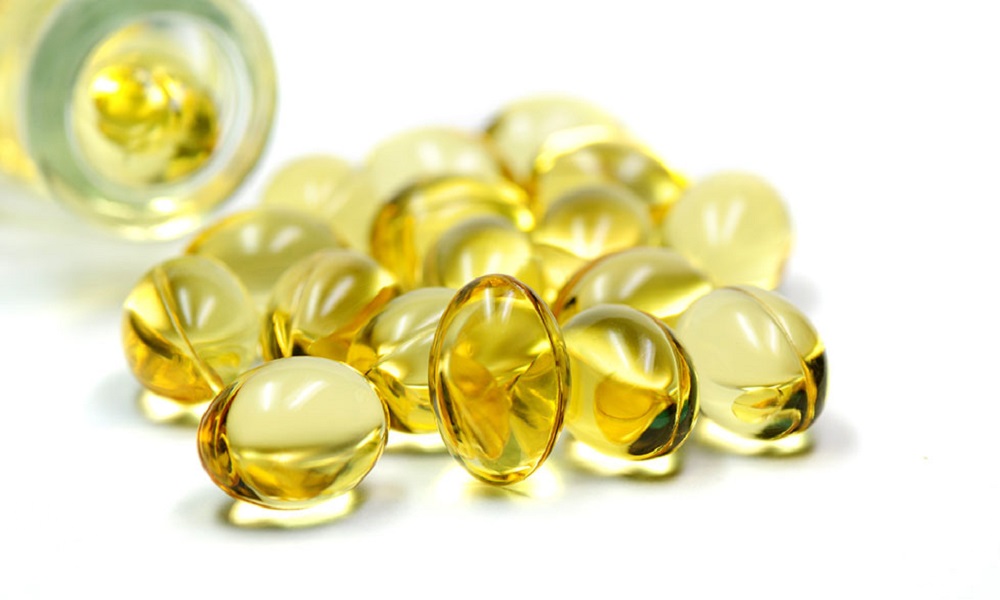
Hemp seed oil vs. CBD oil for anxiety and inflammation
Hemp seed oil and CBD oil come from the same cannabis plant family, yet they are very different products. Hemp seed oil is pressed from the seeds and is valued mainly for its fatty acids, while CBD oil contains cannabidiol extracted from the plant’s flowers, leaves or stalks. That distinction matters when you are comparing products for anxious feelings, muscle soreness or inflammatory discomfort.
For Australian shoppers, product names can be confusing because “hemp oil” is sometimes used loosely in online listings. A bottle labelled hemp seed oil generally does not provide meaningful CBD. CBD products are subject to tighter therapeutic rules, and availability, quality and permitted claims can differ from overseas markets. Understanding the ingredients is the first step towards a safer choice.
What each oil contains
Hemp seed oil contains omega-6 and omega-3 fatty acids, vitamin E and other plant compounds. It does not naturally contain significant levels of cannabidiol, so it should not be treated as a CBD alternative for anxiety. Its nutritional profile may support general dietary quality, and the oil can also be used as a moisturising ingredient in skincare.
CBD oil is made by extracting cannabidiol and blending it with a carrier oil such as hemp seed, olive or coconut oil. Depending on the formulation, it may be labelled broad-spectrum, full-spectrum or CBD isolate. These terms describe the presence or absence of other cannabis compounds, but they do not guarantee a stronger or more effective product.
Potential effects on anxiety
CBD has been studied for stress and anxiety-related symptoms, although the evidence is still developing. Some research suggests it may influence the body’s endocannabinoid system and systems involved in fear, sleep and mood. Results vary according to dose, product quality, the type of anxiety and the person using it.
Hemp seed oil is not expected to produce a direct calming effect because it lacks meaningful CBD. It may still fit into a balanced diet, and replacing highly processed fats with unsaturated fats can be a sensible wellness choice. It should not, however, replace psychological care, prescribed treatment or practical strategies such as sleep support and regular movement.
Inflammation, skin and recovery
Hemp seed oil may be useful as a topical emollient for dry or irritated skin. Its fatty acids can help support the skin barrier, which is relevant after exposure to dry indoor heating, wind or strong Australian sun. Evidence that eating hemp seed oil significantly reduces systemic inflammation is limited, so expectations should remain realistic.
CBD creams and oral oils are marketed for muscle aches, joint discomfort and inflammatory conditions. Early laboratory and small human studies are interesting, but they do not establish CBD as a treatment for every inflammatory disorder. Persistent swelling, unexplained pain or symptoms affecting mobility deserve assessment by a GP rather than self-treatment with a supplement.
Australian buying and safety considerations
In Australia, therapeutic CBD products are regulated through the Therapeutic Goods Administration. Some low-dose products may be available through pharmacy pathways, while other CBD medicines require a prescription. Consumers should check whether a product is legally supplied, clearly labelled and supported by batch testing rather than relying on dramatic claims made by an overseas website.
The local market also includes hemp seed oils sold as foods or cosmetics, especially through natural health retailers in Sydney, Melbourne and Brisbane. These products may be perfectly legitimate but are not equivalent to therapeutic CBD. When comparing costs, read the label for the amount of CBD per millilitre, serving size, carrier oil, batch number and independent contaminant testing. A guide to clean protein bars can also help when building a broader wellness routine, but it should not be used as evidence for either oil.
Side effects and medicine interactions
Hemp seed oil is generally well tolerated in food-sized amounts, although excessive intake may cause digestive upset. People with allergies should read the full ingredient panel, particularly when oils are combined with flavourings, herbs or other botanical extracts. A topical product should be patch-tested on a small area before wider use.
CBD can cause sleepiness, diarrhoea, reduced appetite or changes in alertness. It may interact with medicines processed by the liver, including some sedatives, antidepressants, anticoagulants and seizure medicines. Avoid driving or operating machinery until you know how a product affects you, and discuss CBD with a pharmacist or doctor if you take regular medication, are pregnant or breastfeeding, or have liver disease.
Matching the product to your goal
Choose hemp seed oil when your main aim is a culinary oil, a source of unsaturated fats or a moisturising ingredient. It may suit salad dressings, smoothies or dry-skin care, provided the product is intended for that use. It is unlikely to provide the targeted calming or analgesic effect associated with CBD research.
CBD deserves a more cautious, clinically informed approach. Look for transparent dosage information and avoid products promising instant weight loss, guaranteed anxiety relief or a cure for arthritis. If your concern is everyday tension, start with evidence-based basics such as consistent sleep, limiting excess caffeine, walking and professional support when anxiety interferes with work or relationships.
Quick comparison for Australian consumers
The simplest comparison is that hemp seed oil is primarily a nutritional or cosmetic oil, whereas CBD oil is a cannabinoid product with additional regulatory and interaction considerations. Online prices can vary widely, so compare the actual amount of active ingredient rather than the bottle size. Promotional marketplaces such as wellness savings may list offers, but a discount does not confirm quality, legality or testing.
| Feature | Hemp seed oil | CBD oil |
|---|---|---|
| Main source | Pressed hemp seeds | Cannabidiol extract from cannabis plant material |
| Meaningful CBD content | Usually negligible | Intended to contain a stated CBD amount |
| Common uses | Food, dry-skin care, carrier oil | Investigated for anxiety, sleep and pain-related symptoms |
| Inflammation evidence | Nutritional and topical benefits are plausible, clinical evidence is limited | Early evidence is mixed and condition-specific |
| Main Australian concern | Confusion with cannabinoid products | Regulation, dosing, medicine interactions and product quality |
| Best buying check | Food or cosmetic label and ingredient list | Legal supply pathway, CBD concentration and batch testing |
A sensible purchasing routine also means comparing the complete formula, not just the headline ingredient. For example, people interested in metabolism products may find a matcha powder comparison useful, but caffeine from matcha can aggravate anxious feelings in some people. The same principle applies here: consider the whole product and how it fits your health circumstances.
Use hemp seed oil for its nutritional or skin-supporting role, and approach CBD oil as a regulated therapeutic option rather than an ordinary wellness shortcut. Check Australian supply rules, review potential interactions with a pharmacist or GP, and choose products with clear labels and credible testing before making them part of your routine.