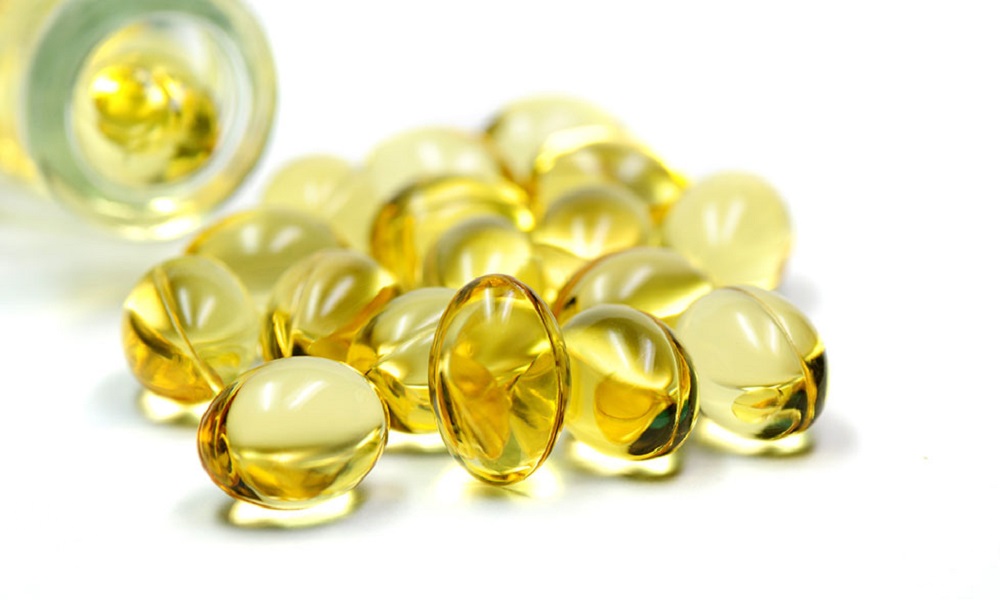
Vegan Vitamin D3 Choices For Australian Winters
Vitamin D supports calcium absorption, muscle function and normal immune activity, yet winter can make adequate levels harder to maintain. The issue is especially relevant for people who spend most of the day indoors, wear sun-protective clothing or follow a vegan diet without many fortified foods.
Vitamin D3, also called cholecalciferol, is commonly made from lanolin. Vegan formulas usually use lichen as the source, so checking the ingredient panel matters. A product can be labelled “plant-based” while still containing animal-derived vitamin D, gelatin capsules or non-vegan excipients.
Australia has plenty of sunshine, but sun exposure is not automatically consistent. Short winter days in Melbourne, frequent indoor work in Sydney, and cooler mornings in Canberra can reduce outdoor time. Regular sunscreen use, darker skin pigmentation and covering most of the body can also affect vitamin D production.
The strongest choice is rarely the product with the largest number on the label. A suitable supplement should provide a clearly stated dose, use a verified vegan source and fit an individual’s diet, health status and blood-test results.
Why Vitamin D Matters In Winter
Vitamin D helps the body use calcium and phosphorus, which are important for bones and teeth. It also contributes to normal muscle performance and immune function. Low vitamin D can be associated with bone discomfort, muscle weakness and tiredness, although these symptoms can have many other causes.
In Australia and New Zealand, nutrient reference values vary by age. Adults aged 19–50 have an adequate intake of 5 micrograms per day, while recommendations rise with age. One microgram equals 40 international units, so a label showing 1,000 IU provides 25 micrograms.
Sunlight remains a major source, but deliberate unprotected exposure carries skin-cancer risks. Cancer Council Australia recommends balancing vitamin D needs with sensible sun protection, particularly during periods of stronger ultraviolet radiation. Supplements can be useful when sun exposure is limited, but they should not be treated as a replacement for medical assessment.
Choosing A Vegan D3 Formula
Look for “lichen-derived cholecalciferol” or “vegan vitamin D3” rather than assuming that a vegetarian label means vegan. Lichen D3 is generally preferred over vegan D2 when the goal is to supplement with the same form naturally produced in human skin. The formula should also be free from gelatin, dairy, beeswax and animal-based softgel ingredients.
Capsules suit people who want a simple daily routine, while liquid drops make small dose adjustments easier. Oral sprays may be convenient for people who dislike swallowing tablets, though convenience does not prove better absorption. Take fat-soluble vitamin D with a meal containing some dietary fat unless a healthcare professional gives different instructions.
A high-strength product is not automatically more effective. The Australian adult upper level is 80 micrograms, or 3,200 IU, per day from supplements and food sources, although clinicians may prescribe different short-term doses for confirmed deficiency. Avoid combining several multivitamins, fortified foods and vitamin D products without adding up their amounts.
If a supplement label recommends changing or splitting a dose, check with a pharmacist first, particularly when the product is a modified-release tablet or a specialised formulation. General tablet-splitting guidance explains why inaccurate cutting can matter for some medicines, although it is not a substitute for advice about vitamin products.
Vegan D3 Formats Compared
Different formats can work well, but the best option depends on swallowing preferences, dose flexibility and storage habits. Drops may be practical for a household with different needs, whereas capsules offer portability for commuting or travel between Australian cities.
Some products combine vitamin D3 with K2, magnesium or calcium. These combinations may sound appealing, but extra ingredients can be unnecessary or unsuitable for people taking anticoagulants, managing kidney disease or dealing with calcium-balance disorders. A focused D3 product is often easier to evaluate.
| Format | Vegan source to look for | Useful feature | Points to check |
|---|---|---|---|
| Lichen D3 capsule | Lichen-derived cholecalciferol | Convenient daily use | Capsule shell and dose per capsule |
| Liquid drops | Vegan D3 in oil | Flexible dosing | Drop size, refrigeration and expiry |
| Oral spray | Lichen D3 spray | Easy for people avoiding tablets | Actual dose per spray and swallowing instructions |
| Vegan multivitamin | D3 plus other nutrients | Broad nutritional coverage | Total vitamin D from all ingredients |
| Fortified plant milk | Added vitamin D3 or D2 | Food-based option | Serving size and fortification consistency |
Safety, Testing And Australian Buying Advice
A blood test can show whether supplementation is needed and whether a chosen dose is working. Ask a GP about a 25-hydroxyvitamin D test if you have risk factors such as limited sun exposure, malabsorption, osteoporosis, kidney disease or a history of deficiency. People who are pregnant, breastfeeding or managing chronic illness should obtain personalised guidance.
Products sold in Australia may be listed on the Australian Register of Therapeutic Goods, shown by an AUST L or AUST R number. Listed medicines are assessed for quality and safety standards, while the listing does not mean the product will suit every person. Buy from an established pharmacy, health retailer or reputable online store, and check for batch, expiry and storage information.
Avoid treating fatigue as proof of low vitamin D. Iron deficiency, thyroid conditions, poor sleep and stress can produce similar symptoms. Too much vitamin D can raise calcium levels and cause nausea, thirst, frequent urination or kidney problems, so taking several high-dose supplements together is risky.
A Simple Shopping And Use Checklist
Use these checks before adding vegan vitamin D3 to your routine:
Check before buying
- Confirm the source is lichen-derived D3, not lanolin-based D3.
- Compare micrograms and IU rather than judging by capsule size.
- Check for gelatin, dairy, beeswax and unnecessary added nutrients.
- Verify the AUST number, expiry date and storage directions.
Ask a health professional if
- You have kidney, liver, intestinal or calcium-related conditions.
- You take medicines that affect calcium, bones or vitamin absorption.
- You already use a multivitamin, calcium supplement or fortified meal replacement.
- You want a high-dose product or have symptoms of possible deficiency.
A sensible routine is to take the selected product consistently with food, record the daily amount and review it after a clinically appropriate period. Keep drops and capsules away from children, especially products with concentrated doses. If you need help comparing labels, the Diet Value contact team can help you identify the key details to review, while a GP or pharmacist remains the right source for personal medical advice.
Choose a clearly labelled lichen-based D3 supplement, keep the dose proportionate to your needs and consider testing when risk factors are present. That approach can make winter nutrition more manageable without turning a simple supplement into an unnecessarily complicated regimen.