Top Three L-Glutamine Benefits for Gut Health and Recovery
L-glutamine is an amino acid found in foods such as eggs, beef, tofu, dairy products and legumes. The body can usually produce enough, yet demand may rise during intense training, illness, injury or prolonged physical stress. This has made glutamine supplements popular among athletes and people exploring digestive wellness.
Its most discussed uses involve the gut lining, exercise recovery and immune function. However, supplements are not a substitute for a varied diet, medical care or treatment for ongoing bowel symptoms. The quality of evidence differs depending on the goal, dose and health status of the person taking it.
For Australians comparing powders, capsules and sports nutrition products, practical details matter. A product bought online should list its ingredients clearly, provide directions in Australian serving sizes where possible and come from a reputable supplier. The following guide explains where L-glutamine may fit into a balanced health routine.
| Potential benefit | Why it may help | Best suited to | Important limitation |
|---|---|---|---|
| Gut barrier support | Glutamine is used as fuel by intestinal cells | People focused on digestive wellness | Evidence is mixed in healthy adults |
| Exercise recovery | May support muscle protein processes and reduce perceived soreness | Active adults and athletes | It does not replace protein, carbohydrates or sleep |
| Immune and stress support | Helps fuel immune cells during physiological stress | People under heavy training or recovery demands | Medical advice is important during illness |
Supports The Intestinal Barrier
The intestinal lining forms a selective barrier between the gut contents and the rest of the body. Glutamine is an energy source for cells in this lining, so researchers have examined whether supplementation can help maintain barrier function during stress. This is the foundation of its reputation as a gut health supplement.
Potential benefits may be more relevant when the body is under unusual pressure, such as after strenuous exercise, surgery or serious illness. For a generally healthy person with a balanced eating pattern, there is less certainty that extra glutamine will produce a noticeable digestive improvement.
A sensitive stomach can have many causes, including food intolerances, coeliac disease, infection and irritable bowel syndrome. Persistent pain, blood in the stool, unexplained weight loss or ongoing diarrhoea requires assessment by a GP rather than self-treatment with amino acids.
May Assist Exercise Recovery
During demanding workouts, the body uses amino acids for tissue repair and other physiological processes. L-glutamine contributes to protein metabolism and may help support recovery when combined with adequate calories, protein and rest. Some people use it after resistance training, long-distance running or team sports.
The recovery effect is often modest, and research has not consistently shown that glutamine improves muscle gain or strength in well-nourished athletes. A complete meal containing protein and carbohydrate may be more valuable after training than adding another supplement to the routine.
Australians training in warmer areas such as Brisbane, Perth or Darwin also need to prioritise fluids and electrolytes. Heat exposure and dehydration can affect performance and recovery far more noticeably than a single amino acid product.
Helps Meet The Body’s Stress Demands
Glutamine is involved in immune cell activity and nitrogen transport. During significant physical stress, the body may use more of it than usual, which explains interest in glutamine for immune resilience and recovery from demanding conditions. This does not mean it prevents colds or acts as an immune booster in the same way a medicine might.
Sleep, sufficient energy intake and micronutrient-rich foods remain central to immune health. Shift workers, new parents and people managing high workloads may benefit more from improving their overall routine than from relying on a powdered supplement.
Stress also affects digestion and appetite. Alongside nutritious meals and movement, some people use counselling or wellbeing support; a therapy support service may be relevant when anxiety or ongoing stress is influencing eating habits and recovery.
Food Sources And Supplement Forms
Many everyday foods provide glutamine naturally. Beef, chicken, fish, eggs, milk, yoghurt, cottage cheese, beans, lentils, cabbage and spinach can contribute to overall intake. These foods also supply protein, fibre, vitamins and minerals that an isolated powder cannot provide.
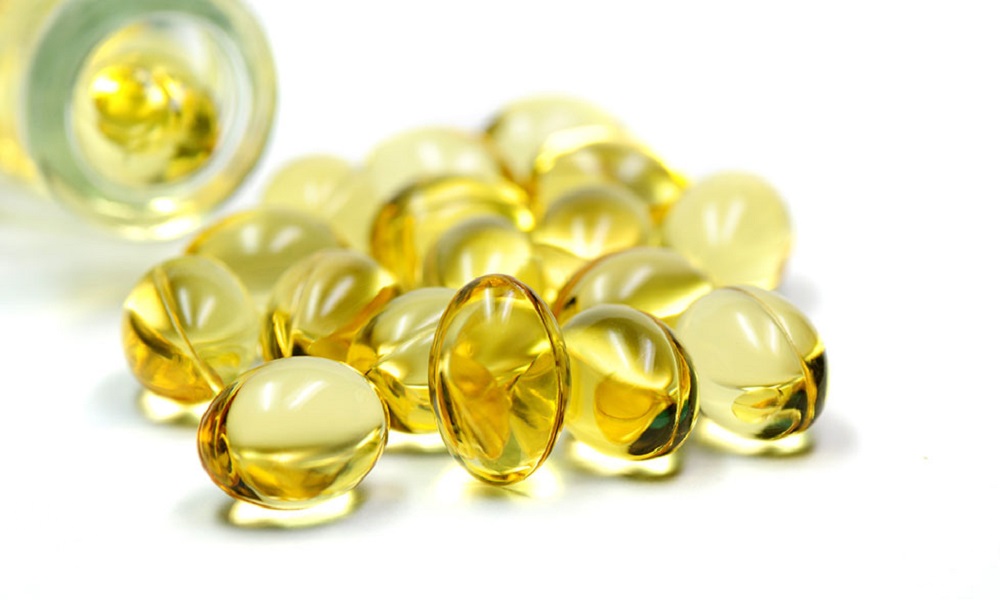
Supplement forms usually include unflavoured powder, flavoured sachets and capsules. Powder can be practical for mixing into water or a smoothie, while capsules may suit people who dislike the taste. Check the label for the actual amount of L-glutamine per serve rather than judging value by the container size.
A vegetarian or vegan diet can still provide glutamine through legumes, soy foods, seeds and whole grains. People with kidney or liver disease, those who are pregnant or breastfeeding, and anyone receiving cancer treatment should speak with a healthcare professional before supplementing.
Choosing A Product In Australia
The Australian market includes products sold through pharmacies, health-food shops, sporting retailers and online stores. Compare ingredient panels, serving recommendations, batch information and storage instructions. Be cautious with blends that combine glutamine with numerous stimulants or proprietary ingredients, since they make it harder to identify what is responsible for an effect.
Look for transparent labelling and avoid exaggerated claims such as guaranteed gut repair, rapid fat loss or disease treatment. Therapeutic goods and sports supplements can vary in quality, so a recognised Australian retailer and clear contact information are useful signs of a more accountable seller.
Online purchasing is common across Sydney, Melbourne and regional areas, but delivery conditions matter. Heat can affect some products, and a damaged seal or damp powder should not be used. Keep supplements dry, sealed and away from children.
Practical Use And Safety Checks
There is no universal dose for every purpose. Product directions may suggest a serving before or after exercise, while clinical research uses different amounts and schedules. Taking more is not automatically better, particularly if the product causes nausea, bloating, abdominal discomfort or headaches.
Useful checks before adding glutamine include:
- Review current medicines and medical conditions
- Start with the label’s lowest suggested serving
- Track digestive symptoms and training recovery
- Stop if unusual or persistent side effects appear
L-glutamine can be part of a sensible routine, but it should sit behind foundational habits. Aim for regular meals, adequate protein, fibre from plant foods, hydration and consistent sleep. For Australians following a specific eating pattern, an accredited practising dietitian can help match supplement use with actual nutritional needs.
Making An Informed Wellness Choice
Claims about gut repair and recovery are often presented more confidently than the research allows. Glutamine may have its greatest value during physiological stress, while healthy people may notice little difference. Consider the reason for using it, the quality of the product and whether a food-first approach already meets your needs.
Be wary of taking supplements as part of a broader high-risk lifestyle or using them to offset poor sleep and excessive drinking. Even recreational activities that seem separate from health, including online gambling, can affect stress and household finances; practical guidance on Australian pokies can help readers make more informed choices around that activity.
Review the evidence, compare reputable products and speak with a qualified health professional when symptoms or medical conditions are involved. Explore more evidence-aware nutrition and wellness guidance at Diet Value, then choose a routine built around food, recovery and sustainable habits rather than promises of instant results.