Comparing vitamin B12 sources for vegans and vegetarians
Vitamin B12 supports red blood cell formation, nerve function and DNA production. It is naturally concentrated in animal-derived foods, so vegans need a dependable fortified-food or supplement routine. Vegetarians may obtain some B12 from eggs and dairy, although intake can still be inconsistent.
The best source depends on dietary pattern, absorption, convenience and how regularly a person uses it. A fortified soy milk consumed once a week is unlikely to provide the same protection as a daily supplement or a carefully planned combination of foods.
For Australians, product labels, serving sizes and fortification levels can vary considerably. Someone shopping at Woolworths, Coles, Aldi, a health-food shop or a local chemist should check the nutrition panel rather than rely on front-of-pack claims.
Why vitamin B12 deserves attention
A prolonged lack of B12 can contribute to tiredness, weakness, pale skin, numbness, pins and needles, balance problems and cognitive changes. Some symptoms develop gradually and may be mistaken for stress, poor sleep or low iron. Neurological problems can become serious if deficiency is left untreated.
Vegans have a clear dietary risk because plant foods do not provide a consistent, reliable amount of active B12. Vegetarians who eat dairy and eggs have more options, but smaller portions, low intake or digestive conditions can still result in inadequate levels. Metformin, acid-suppressing medicines and some gastrointestinal disorders may also affect B12 status.
A GP can assess symptoms and order blood tests, often including serum B12 and other markers where appropriate. Testing is particularly sensible during pregnancy, while breastfeeding, after bariatric surgery or when persistent fatigue and tingling occur.
Animal-derived foods for vegetarians
Eggs, milk, yoghurt and cheese can contribute useful B12 to a vegetarian diet. A breakfast containing yoghurt and eggs may provide more B12 than a meal based solely on fruit and toast, although the exact amount depends on the product and serving size. Dairy intake also varies between people following lacto-vegetarian, ovo-vegetarian or flexitarian patterns.
These foods are less suitable as a sole strategy for vegans, and they may not provide enough for every vegetarian. Cheese, for example, can contain less B12 per serving than some fortified foods, while plant-based dairy alternatives may contain none unless nutrients have been added.
Dietary patterns should be considered as a whole. People comparing plant-focused eating with other approaches can also review this heart-health diet comparison when planning meals around overall nutrition, fibre and cardiovascular health.
Fortified foods and drinks
Fortification is one of the most practical ways for vegans to obtain B12. Suitable products may include fortified soy, oat or almond milk, breakfast cereals, meat alternatives, nutritional yeast and selected vegan spreads. Always check that the label specifically lists vitamin B12, since many plant-based products are fortified with calcium or vitamin D but not B12.
Serving frequency matters. A cereal with a small amount of B12 may be useful when eaten daily, while a fortified drink used occasionally may contribute little over the week. Australian packaging can show nutrients per 100 millilitres and per serving, so both figures deserve attention.
Nutritional yeast requires particular care because fortification differs between brands. Unfortified yeast is not a dependable B12 source, and cooking or storage may affect nutrient levels in some foods. Seaweed, fermented foods, mushrooms and spirulina are often promoted online, but their B12 content can be absent, variable or present in forms that do not reliably meet human needs.
Supplements and their practical differences
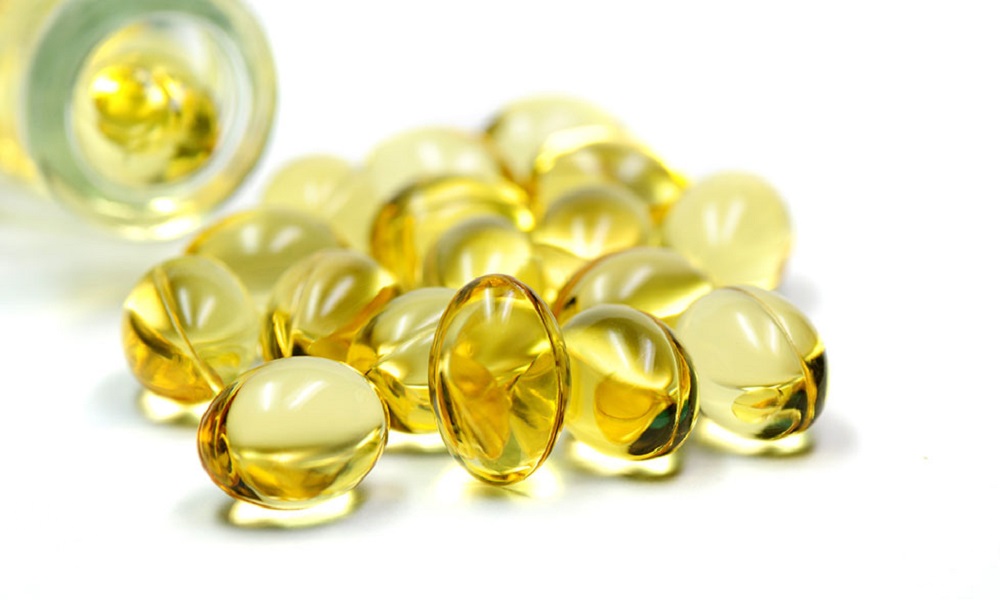
B12 supplements are generally the most straightforward option for vegans. Common forms include cyanocobalamin, methylcobalamin and hydroxocobalamin. Cyanocobalamin is widely studied, stable and often inexpensive; methylcobalamin is also popular, though marketing claims about it being universally superior are not well established.
Products come as tablets, chewables, sprays, drops and occasionally lozenges. Absorption is complex, and high-dose products can still provide useful amounts because only part of a large dose is absorbed. The appropriate schedule depends on the product, individual health and whether a deficiency already exists.
| Source | Useful Australian examples | Main advantage | Important watch-out |
|---|---|---|---|
| Eggs and dairy | Milk, yoghurt, eggs and cheese | Convenient for many vegetarians | May be insufficient for low-intake vegetarians |
| Fortified plant milk | Soy, oat and almond drinks | Easy to add to coffee, cereal or smoothies | Fortification and serving sizes vary |
| Fortified cereal | Selected breakfast cereals | Simple daily habit | Check sugar, serving size and B12 amount |
| Fortified nutritional yeast | Vegan pantry products | Adds savoury flavour to meals | Some brands contain no B12 |
| B12 supplement | Tablets, sprays or chewables | Reliable and convenient for vegans | Dose and frequency should suit personal needs |
Choose products from reputable Australian retailers and inspect the label for a clear B12 quantity. Supplements sold locally may carry an AUST L or AUST R number, but registration does not replace checking ingredients, dosage or suitability. People comparing formulations can use independent supplement reviews as one source of product information, then verify details with a healthcare professional.
Matching the source to dietary needs
A vegan who rarely eats fortified foods will usually benefit from a dedicated B12 supplement rather than trying to combine several uncertain sources. A vegetarian eating eggs or dairy most days may have a stronger dietary foundation, yet a supplement can still provide consistency if portions are small or meals are irregular.
Pregnancy and breastfeeding increase nutritional planning needs, while older adults may absorb B12 less efficiently because of changes in stomach acid. People with coeliac disease, inflammatory bowel disease, previous stomach surgery or long-term medication use should obtain personalised guidance rather than selecting a high-dose product casually.
Iron and folate are also important in plant-based diets, but they do not replace B12. A balanced vegan pattern should include legumes, tofu, wholegrains, nuts, seeds, vegetables and fortified products, with attention to iodine, calcium, omega-3 fats and vitamin D.
Building a dependable routine
A simple routine is easier to maintain than relying on memory. Add fortified soy milk to breakfast, choose a B12-enriched cereal, or set a recurring reminder for a supplement. Australians who travel, work irregular hours or rely on takeaway meals may find a small supplement container more dependable than trying to locate fortified products each day.
Keep a record of the product name, dose and frequency, especially when using several supplements. Avoid doubling up unnecessarily through multivitamins, energy products and separate B12 tablets without checking the total plan. Take labels to a GP or accredited practising dietitian when blood tests show a deficiency or symptoms persist.
For most vegans, a reliable supplement or carefully planned fortified-food schedule is the safest foundation. Vegetarians can use eggs and dairy where suitable, but should still verify that their overall intake is regular and adequate. Review the label, establish a repeatable habit and arrange professional advice when symptoms or medical conditions make B12 status uncertain.