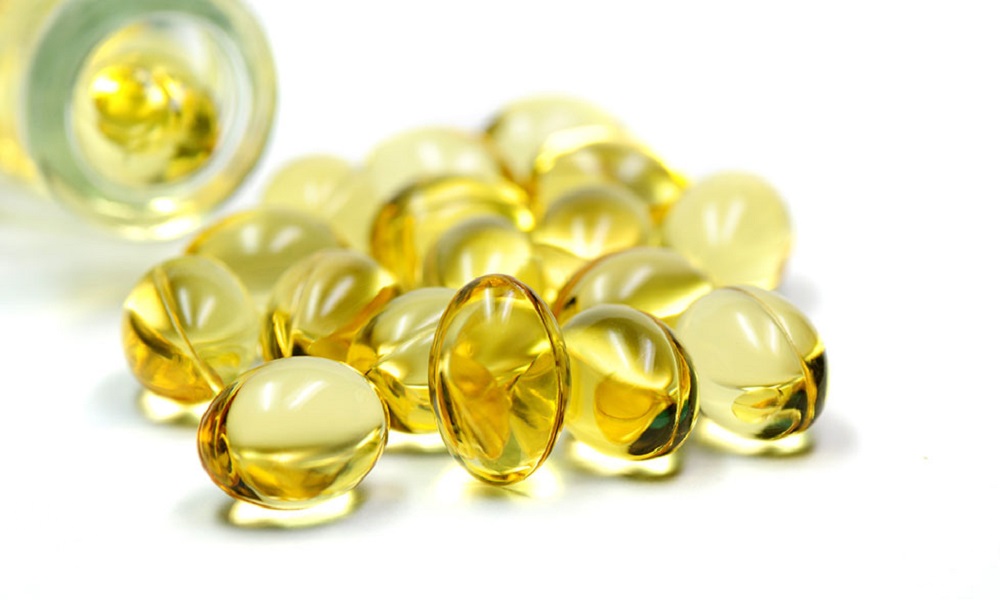
Evening primrose oil for hormonal balance: five potential benefits
Evening primrose oil is a seed-derived supplement best known for gamma-linolenic acid (GLA), an omega-6 fatty acid involved in the body’s inflammatory pathways. It is often promoted for PMS, menopausal changes, skin dryness and “hormonal balance,” a marketing phrase rather than a measurable medical outcome.
Searching for the top five evening primrose oil benefits for hormonal balance usually leads to claims of lighter periods, calmer skin, fewer hot flushes and less breast tenderness. Some small studies report improvements, while others find no clear advantage over a placebo. GLA can alter fatty acids used to make signalling molecules, but that does not prove the oil corrects a hormone disorder.
Evening primrose oil is best treated as an optional, targeted supplement rather than a universal hormonal fix. It is not a diagnostic tool for premenstrual syndrome, endometriosis, menopause or PCOS. Anyone with a medical condition, pregnancy, or prescribed medication should check with a GP or pharmacist before starting it.
| Potential focus | What the evidence says | Sensible use |
|---|---|---|
| Menstrual symptoms | Some small trials report modest relief; results remain inconsistent. | Track symptoms across two or three cycles. |
| Dry or reactive skin | GLA may support barrier lipids, but eczema evidence is limited. | Use with moisturiser and daily sunscreen. |
| Menopause symptoms | No consistent evidence shows reduced hot flushes or night sweats. | Keep it alongside broader menopause care. |
| Inflammatory discomfort | Laboratory results are promising, but clinical outcomes vary. | Do not replace assessment for persistent pain. |
| Metabolic support | Evidence for appetite, insulin or weight-loss benefits is insufficient. | Prioritise nutrition, activity and sleep. |
What hormonal balance really means
GLA is a polyunsaturated fatty acid that the body can convert into compounds regulating inflammation and cell signalling. This makes evening primrose oil biologically active, although laboratory pathways do not automatically translate into symptom relief.
Hormonal balance covers several systems: menstrual cycling, ovarian hormones, thyroid function, insulin regulation and stress responses. Evening primrose oil does not raise or lower oestrogen, progesterone or testosterone predictably, so it should not be treated as hormone replacement therapy. Its most sensible role is a targeted trial for one symptom.
Menstrual comfort and PMS support
For PMS and breast tenderness, evidence is promising but inconsistent. A few trials suggest modest relief, yet different formulations, doses and outcome measures make confident conclusions difficult. Track pain, tenderness and mood across at least two cycles rather than judging the supplement in a single week.
If you try it, follow the product’s labelled GLA amount rather than a generic capsule count, because concentrations vary. Taking it with dinner may ease stomach discomfort. Evening use suits many routines, but there is no established advantage to taking it at night.
Persistent period pain, heavy bleeding or symptoms that affect daily life deserve medical assessment. Evening primrose oil does not treat fibroids, endometriosis or thyroid disease, and it should not delay care that addresses the cause.
Skin hydration and barrier support
The skin-barrier argument is biologically plausible: GLA contributes to cell-membrane lipids and can influence the skin’s inflammatory response. Some people with dry or eczema-prone skin report better comfort, although clinical evidence remains limited and does not establish evening primrose oil as an eczema treatment.
For a sensible trial, combine it with a bland moisturiser, gentle cleanser and fragrance-free products. Acne, redness and itching can have different causes, so a capsule is no substitute for dermatological advice. Any benefit may take several weeks to become apparent.
Australian sun exposure adds another variable. In Brisbane, Darwin or Sydney during summer, broad-spectrum SPF 50+, a hat and shade are far more reliable for protecting skin than an oil capsule. Evening primrose oil provides no sun protection, even when taken by mouth.
Menopause symptom relief
Hot flushes and night sweats have not shown a consistent response to evening primrose oil in good trials. Reports of improvement are not supported well enough to position the supplement as a substitute for menopause care. It may still be worth a short trial for general wellbeing, rather than a guaranteed reduction in flushes.
Perimenopause and menopause also affect sleep, bone health, mood and vaginal comfort, which need different approaches. A bulk-billed GP appointment is a practical starting point in Australia for individual advice; supplements, prescribed treatment and allied-health support are separate options, not interchangeable.
A cooling routine can make evenings easier. Breathable bedding, a cool shower and a consistent sleep schedule may reduce discomfort without claiming to treat menopause. Keep symptom notes separate from product changes so you can judge what is helping.
Inflammatory and pelvic discomfort
GLA has anti-inflammatory effects in laboratory studies, and small clinical trials in rheumatoid arthritis have produced mixed results. “Natural” does not mean harmless, so persistent pain still needs assessment rather than a course of capsules alone.
Readers comparing options for inflammatory support may also find this turmeric supplement review useful for understanding standardised extracts and label claims. Turmeric and evening primrose oil are not equivalent, and combining them adds questions about dose, allergies and medication interactions.
If you have endometriosis, a clinician can help distinguish cyclical pain from other causes and tailor management. Evening primrose oil has not been shown to remove endometriosis lesions or reliably reduce associated pain. For general wellbeing, omega-3-rich foods, movement and adequate sleep remain better-supported foundations.
Weight, appetite and metabolic support
Evening primrose oil is not a proven fat burner, appetite suppressant or treatment for insulin resistance. Although GLA passes through pathways involved in fat and glucose regulation, that does not demonstrate meaningful weight loss in humans. It should not be presented as a shortcut for a weight-loss plan.
For satiety and weight management, fibre can be more directly useful. This psyllium and glucomannan comparison explains how the two differ in fibre type, viscosity and practical use, helping you choose a product with a clearer weight-management purpose.
Oil still supplies energy, even when a capsule amount is small. If you use spoonfuls, count that addition toward your daily intake; capsule-sized portions are usually modest. Build habits around satisfying meals, regular activity and sleep instead of adding evening primrose oil to an unchanged routine.
Choose carefully and build a consistent routine
Choose a product that states the GLA amount per capsule rather than just the total oil weight. Cold pressing, freshness and storage matter because unsaturated fats can oxidise. Australian shoppers usually say “chemist” for a pharmacy; you may see the product at Coles or Woolworths, in a discount chain such as Chemist Warehouse, or from an online seller.
Check the label for an AUST L or AUST R number and verify medicinal claims in the Australian Register of Therapeutic Goods. A pharmacist can advise on brand quality and interactions. Evening primrose oil may affect clotting, interact with warfarin, antiplatelet medicines or some diabetes drugs, and be unsuitable for people with epilepsy. Seek medical advice during pregnancy or breastfeeding, and never replace prescribed treatment.
To run a useful personal trial, select one reputable product, follow its labelled GLA dose, and record one specific symptom before you begin. After eight to twelve weeks, keep it only if the benefit is clear and outweighs the cost. Start tonight with that single change, and book a GP review if symptoms are severe, worsening or disrupting work.